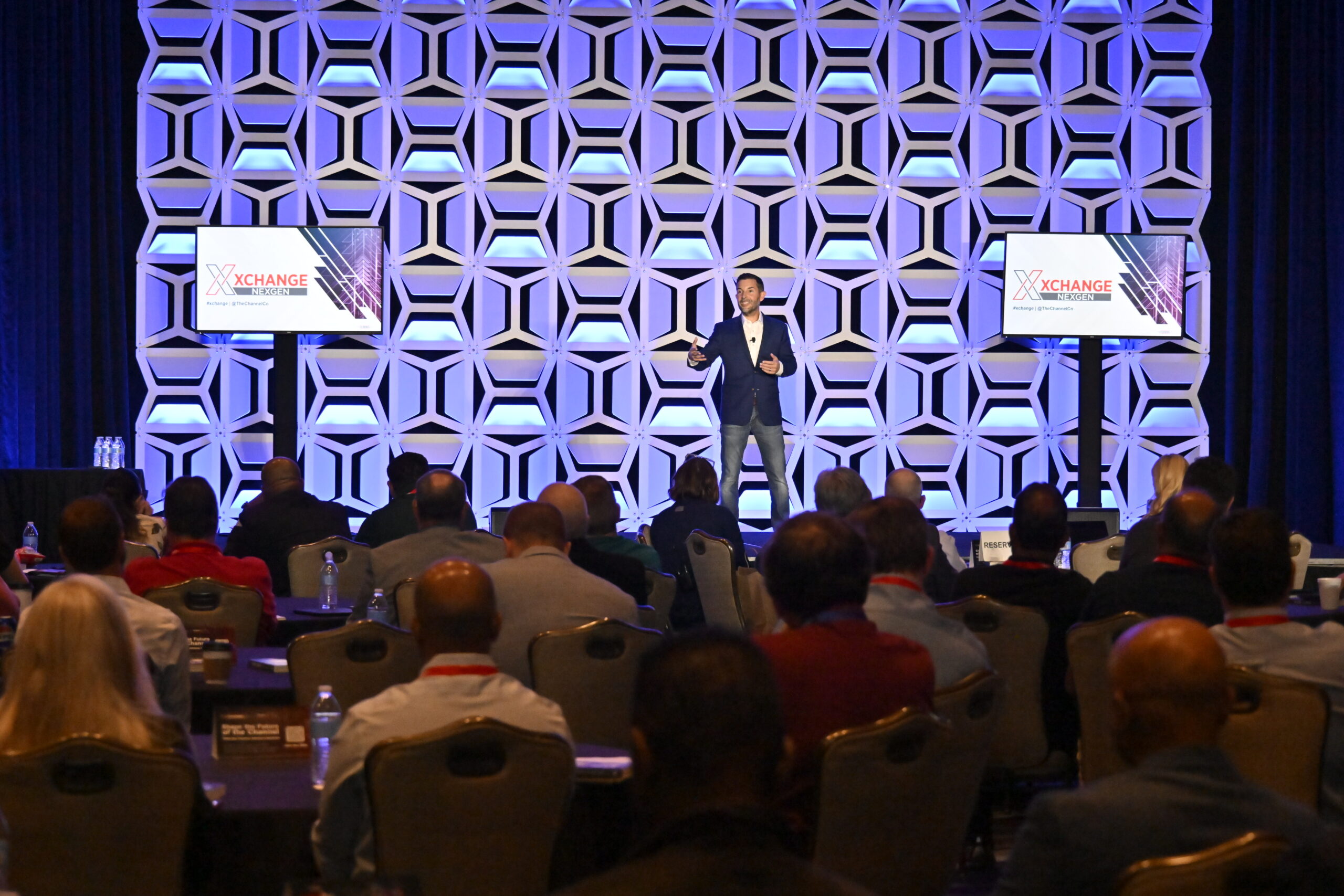
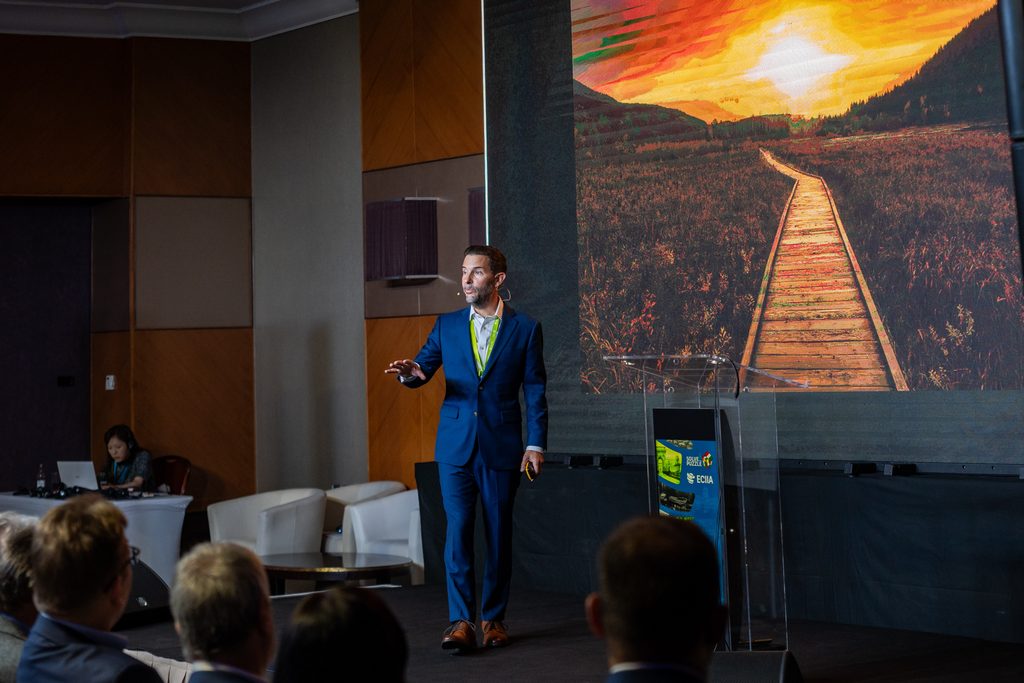
I’m Craig Stanland.
I’m a keynote speaker and author whose work explores identity-driven decision-making: how pressure, beliefs, identity, and perceived stakes shape what people see, what feels possible, and the decisions they ultimately make.
Most people believe their decisions are rational, intentional, and fully their own.
I did too.
For most of my adult life, I followed a blueprint I never stopped to question. I chased the markers of success I believed mattered, built a career that looked right from the outside, and made decisions that seemed logical at the time.
What I couldn’t see was what was driving them.
Long before the consequences arrived, beliefs, fears, insecurities, and adaptive strategies shaped what I moved toward, what I avoided, what I tolerated, and how I justified it.
Like many people, I believed something outside of me would eventually deliver what I was really seeking.
Success happened to be my vehicle.
Achievement, status, and recognition became the means through which I hoped to find enoughness, worthiness, safety, and belonging.
They didn’t.
The decisions that followed led to an $800,000 fraud scheme, a federal conviction, and prison.
Those consequences forced me to confront not only what I had done, but what had been driving me long before I recognized it.
Prison stripped away every external marker of identity and success and left me with a question that would shape the next decade of my life:
Who was making my decisions?
The answer wasn’t simple.
What began as an attempt to understand my own choices became a deeper exploration of identity, conditioning, belonging, self-authorship, and human behavior.
It revealed something I now believe applies to all of us:
Every decision we make shapes our lives, and those decisions often come from a version of ourselves we’ve never stopped to question.
That realization became the foundation of my work.
Today, through keynotes and writing, I help leaders, professionals, and organizations understand what’s actually driving decisions, performance, culture, and human risk.
Not by teaching better strategies, but by helping people see the hidden architecture behind the choices they make every day.
My story is the context.
The work is helping people see who’s been choosing all along.